Civil rights and legal experts explain why charges against Don Lemon and Georgia Fort are so chilling


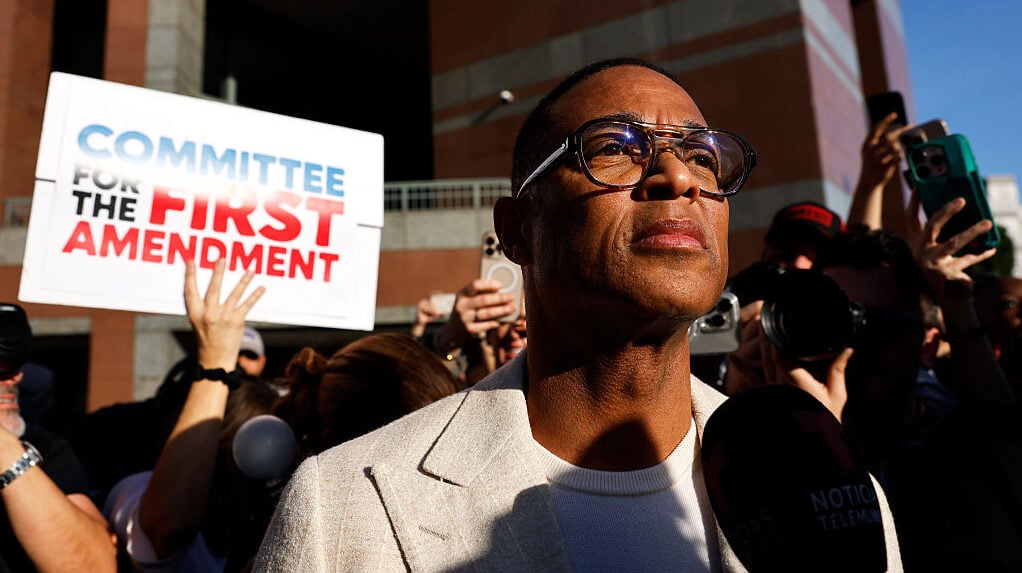
“The playbook to come for our civil rights, our constitutional rights, and racial democracy,” civil rights leader Maya Wiley tells theGrio.
The arrests of independent reporters Don Lemon and Georgia Fort have alarmed the civil rights and legal community, who say the Trump administration’s willingness to undermine the civil rights of Black journalists willing to document dissent to President Trump’s policies sends a chilling effect for the country.
“What we have seen is a pattern of trying to criminalize lawful and even constitutionally protected behavior when this administration just doesn’t like it, and it’s inconvenient for the public to know the truth–and it particularly doesn’t like it when Black people do it,” Maya Wiley, a civil rights attorney and President and CEO of The Leadership Conference on Civil and Human Rights, told theGrio.
According to court documents, Lemon, Fort, and others are accused of a civil rights conspiracy and of interfering with First Amendment religious rights. On Jan. 18, Lemon and Fort reported an anti-ICE demonstration at Cities Church in St. Paul, Minnesota, where protesters accused Pastor David Easterwood of being an ICE field director.
The charges against the two journalists, as well as several activists, are under the Freedom of Access to Clinic Entrances Act, or FACE Act, signed into law in 1994 by President Bill Clinton.
“It is, I think, an unusual application at best,” said Shaylyn Cochran, Deputy Executive Director at the Lawyers’ Committee for Civil Rights Under Law.
She explained to theGrio, “It is an act that is meant to target use of force threats or physical obstruction to prevent access to places of worship or reproductive health care facilities.”
Cochran called the Trump administration’s use of the statute against Lemon and Fort “troubling.” She explained, “We have not seen any indication that these journalists used such required force, threats, or physical obstruction to interrupt the parishioners’ worship that was happening. What we did see was these journalists covering a newsworthy event, at a minimum, that should be covered by the First Amendment.”
Wiley also noted that churches or other houses of worship are “open to the public,” therefore charging journalists for covering a protest at a public space should “disturb us all.”
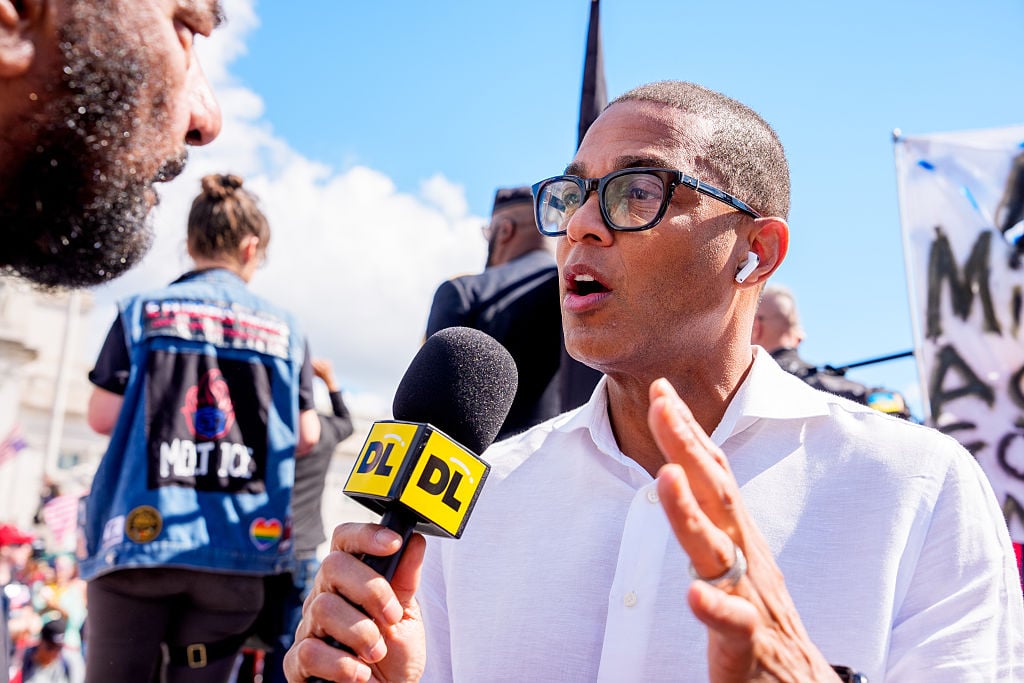
The fact that Lemon and Fort are Black, as well as most of the others charged in the indictment, is seen as by design.
“The authoritarian playbook, the playbook to come for our civil rights, our constitutional rights, and racial democracy, is to come for Black people, for Latinos, for people of color, first, foremost, and aggressively,” said Wiley. “We should understand why they come for Black people, why they come for Latinos, why they come for Asian Americans, because they count on the rest of the nation not calling that out.”
The civil rights leader said that given the Trump administration’s explicit “disdain” for DEIA and being “in favor” of racial profiling, it comes as no surprise that Black journalists highlighting dissent of what critics describe as racist immigration policies are being criminally targeted.
“It has particularly not liked when people of color cover it and address issues that are relevant to the Black community and to communities of color,” said WIley.
Cochran said she believes the Trump administration is attempting to use Lemon and Fort as a “deterrent effect” for others willing to “speak out and to fight back” on behalf of communities negatively impacted by the president’s MAGA agenda. She also noted that Black and Brown people are “sought out for investigation in a way that is not applicable always to others, their colleagues, or people who are similarly situated but may have a different skin color.”
Lemon and Fort’s arrests also drew swift condemnation from advocacy groups.
“Let us be clear: the First Amendment is not optional, and journalism is NOT a crime…We urge media leaders, press freedom advocates, civil rights groups, and allies to stand together, monitor these cases closely, and speak out,” said NABJ President Errin Haines.
“This current administration has repeatedly sought to undermine press freedoms, intimidate journalists, and blur the line between accountability and criminalization for those who refuse to serve as tools for propaganda,” said Emil Wilbekin, founder of Native Son. “These attacks are not abstract; they are deliberate efforts to silence dissent and censor truth.”
NAACP President Derrick Johnson said plainly, “If Donald Trump doesn’t like what you’re saying or doing, he will weaponize the federal government to come after you.”
He continued, “The arrests of Don Lemon, Georgia Fort, and others are a blatant assault on the First Amendment. But with Donald Trump in power, is that really surprising? Just days ago, Trump’s federal agents executed a legal observer in broad daylight who was filming ICE with his phone.”
As the midterm elections on Nov. 3 near, the civil rights leader urged Black voters, all voters, to “resist” against the Trump administration’s “slide toward authoritarianism.”
“As long as we remain united – tens of millions strong, if not more…Trump’s vanity project doesn’t stand a chance. Our best opportunity to show collective resistance is just months away, with our vote,” said Johnson.

Responses